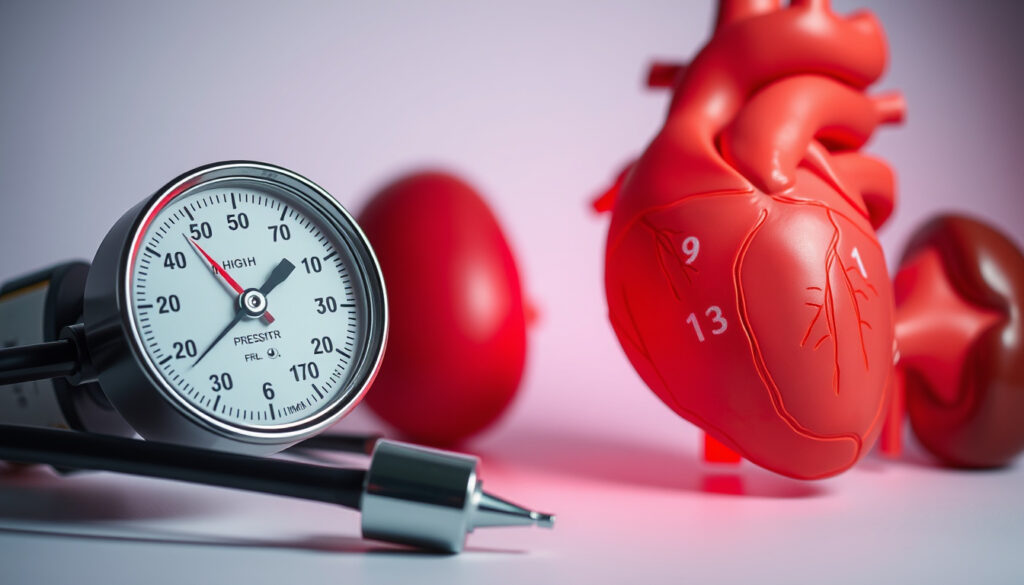
High Blood Pressure Causes – Primary and Secondary Factors
What Causes High Blood Pressure? Top 10 Risk Factors Explained
CityPost Daily
High blood pressure, or hypertension, affects approximately one in three adults worldwide, yet many people remain unaware they have the condition until serious complications arise. Understanding what drives elevated blood pressure is essential for prevention, early detection, and effective management of this largely silent health threat.
The condition develops through distinct pathways. In the vast majority of cases, hypertension emerges gradually over years without a single identifiable cause—this is known as primary, or essential, hypertension. In other instances, an underlying medical condition or external factor triggers the rise in blood pressure relatively quickly; this is called secondary hypertension. Both types require attention, though their origins and treatment approaches differ substantially.
Recognizing the causes and risk factors enables individuals to make informed decisions about lifestyle choices and seek appropriate medical evaluation at the right time.
What Are the Main Causes of High Blood Pressure?
High blood pressure stems from a combination of genetic predisposition, lifestyle factors, and in some cases, underlying medical conditions. Understanding these causes helps distinguish between the two main classifications of the disorder.
Lifestyle and genetic factors that develop over time
Underlying medical conditions or medications
Age, family history, ethnicity, and behavioral habits
Affects roughly 1 in 3 adults globally
Primary Hypertension
Primary hypertension accounts for the majority of cases, particularly in adults over 40. No single cause can be identified; instead, a combination of factors accumulates over time. These include genetic predisposition, advancing age, obesity, high sodium consumption, excessive alcohol intake, physical inactivity, and smoking. Arterial stiffening naturally occurs after ages 55 to 65, reducing the elasticity of blood vessels and contributing to elevated readings. A family history of hypertension doubles the risk, especially when a close relative developed the condition before age 60.
Secondary Hypertension
Secondary hypertension has an identifiable trigger and often appears more suddenly with higher readings. Kidney disease ranks among the most common causes, along with adrenal gland tumors, thyroid disorders, and obstructive sleep apnea. Structural blood vessel defects present from birth can also contribute. Certain medications may trigger secondary hypertension, including some cough and cold remedies, pain relievers, birth control pills, and illicit substances such as cocaine. Treating the underlying cause typically helps bring blood pressure back toward normal levels.
Key Insights on Causes
- Approximately 90 to 95 percent of hypertension cases are primary, developing gradually without a single identifiable cause
- Genetic factors can double hypertension risk when a close relative was affected before age 60
- Arterial stiffness increases naturally after 55 to 65 years of age, elevating readings over time
- High sodium diets directly contribute to fluid retention and increased pressure on blood vessel walls
- Obesity places additional strain on the cardiovascular system, raising blood pressure
- Smoking damages blood vessel linings and accelerates atherosclerosis, a hardening and narrowing of arteries
- Physical inactivity weakens the heart and reduces the efficiency of blood circulation
| Age Group | Normal Range (mm Hg) | Notes |
|---|---|---|
| Adults (18-40) | Below 120/80 | Elevated: 120-129 / below 80 |
| Adults (40-59) | Below 130/80 | Risk escalates with age |
| Adults (60+) | Below 140/90 | Systolic readings become more relevant |
What Causes High Blood Pressure in Young Adults?
Hypertension in young adults between ages 20 and 40 affects roughly one in eight individuals. The causes mirror those in older populations—weight, diet, genetics, and lifestyle choices—but screening rates in this age group remain notably lower. Prehypertension, where readings fall between normal and elevated, is common among young people and often goes undetected.
Young adults with high blood pressure face increased long-term cardiovascular risk. Research indicates that elevated readings at age 18 correlate with higher likelihood of heart attack or stroke in midlife. The condition develops faster in younger individuals when risk factors are present, making early detection critical.
Lifestyle Contributors in Young Adults
Smoking significantly accelerates blood pressure elevation in young adults by damaging arterial linings and promoting stiffness. Frequent alcohol consumption contributes similarly, particularly when intake exceeds moderate levels. Poor sleep quality and inadequate physical activity compound these effects, creating a cumulative burden on cardiovascular health.
Family History and Genetics
A genetic predisposition often emerges earlier in families where hypertension is hereditary. When a parent or sibling developed high blood pressure before age 60, the risk for younger family members increases substantially. Genetic testing or targeted screening is advisable for those with strong family histories.
Annual blood pressure checks are recommended for all adults starting at age 20. Those with family history or other risk factors should undergo more frequent monitoring to catch prehypertension before it progresses.
What Can Cause a Sudden Increase in Blood Pressure?
Sudden increases in blood pressure often signal secondary hypertension with an identifiable trigger. Several patterns warrant particular attention: elevations before age 30, sudden spikes after 55 without family history or obesity, readings that resist three or more medications, or a pattern of stable readings followed by unexplained spikes.
Medical Conditions Triggering Sudden Spikes
Kidney disease remains the most common medical cause of secondary hypertension. The kidneys regulate fluid balance and sodium levels; when they malfunction, pressure rises accordingly. Adrenal tumors produce excess hormones that constrict blood vessels, while thyroid disorders disrupt metabolic regulation in ways that affect cardiovascular function.
Obstructive sleep apnea contributes to sudden blood pressure elevations, particularly during nighttime hours. The repeated cycles of oxygen deprivation and waking stress the cardiovascular system, leading to sustained elevation over time.
Medications and Substances
Certain medications can cause rapid increases in blood pressure. Non-steroidal anti-inflammatory drugs, including ibuprofen and naproxen, may raise readings in some individuals. Decongestants containing pseudoephedrine, some antidepressants, and corticosteroids can also trigger elevation. Prescription medications such as estrogen-based birth control pills carry similar risks for certain patients.
Illicit substances, particularly cocaine and methamphetamine, cause acute hypertensive crises. These stimulants force the heart to work harder while simultaneously constricting blood vessels, producing dangerous spikes that can lead to stroke or cardiac arrest.
Sudden blood pressure elevation accompanied by headache, shortness of breath, chest pain, or visual changes requires emergency evaluation. These may indicate a hypertensive crisis requiring prompt medical intervention.
What Are the Top Symptoms of High Blood Pressure?
The most important fact about high blood pressure symptoms is that most individuals experience none at all, particularly in early and primary stages. This characteristic earned hypertension the nickname “the silent killer.” The absence of obvious warning signs means routine screening remains the primary method of detection.
Symptoms of Primary Hypertension
Primary hypertension typically produces no symptoms regardless of how long a person has had the condition. Blood pressure may remain elevated for years or decades without producing any perceptible changes. This silent progression explains why many people discover they have hypertension only during a routine medical examination or after experiencing a complication such as a heart attack or stroke.
Symptoms of Secondary or Severe Hypertension
Secondary hypertension and advanced cases may produce symptoms, though these often overlap with many other conditions. Headaches, particularly those appearing in the morning, can signal severely elevated readings. Shortness of breath during routine activities warrants attention. Nosebleeds that occur without obvious cause may indicate elevated pressure, though they can result from many other factors.
Because symptoms rarely accompany early hypertension, regular blood pressure checks represent the only reliable detection method. Adults should have their blood pressure measured at least once annually during routine medical visits.
What Is Normal Blood Pressure by Age?
Blood pressure norms vary with age due to natural changes in arterial structure. In adults, a reading below 120/80 mm Hg is considered normal. Elevated blood pressure, defined as readings between 120-129 and below 80 mm Hg, indicates increased risk of developing chronic hypertension and signals the need for lifestyle intervention.
Age-Related Changes
Blood pressure naturally rises as arteries stiffen with age. This process typically accelerates after 55 to 65 years, when vascular elasticity decreases noticeably. Systolic pressure—the top number indicating pressure during heartbeats—increases more prominently than diastolic pressure, which measures pressure between beats.
No single “normal by age” chart applies universally, as individual variation is substantial. However, general guidelines help healthcare providers assess risk levels across different life stages.
Comparison: Primary vs. Secondary Hypertension
| Characteristic | Primary Hypertension | Secondary Hypertension |
|---|---|---|
| Onset | Gradual over years | Often sudden |
| Proportion of cases | 90-95% | 5-10% |
| Identifiable cause | No single cause | Yes, underlying condition |
| Common age range | Typically over 40 | Any age, can be younger |
| Treatment approach | Lifestyle changes + medications | Address underlying cause |
Understanding the Certainty Around High Blood Pressure Causes
Medical research has established substantial knowledge about what drives high blood pressure, though important uncertainties remain. Differentiating between confirmed facts and areas requiring further study helps individuals understand the current state of medical understanding.
| Established Information | Areas of Ongoing Research |
|---|---|
| Primary hypertension has no single identifiable cause but results from combined genetic and lifestyle factors | The precise mechanisms linking specific genetic variants to blood pressure regulation remain partially understood |
| Secondary hypertension has identifiable triggers including kidney disease, medications, and hormonal disorders | Optimal screening strategies for young adults without obvious risk factors continue to be evaluated |
| Lifestyle modifications—reducing sodium, maintaining healthy weight, exercising regularly—lower blood pressure measurably | The interaction between multiple minor genetic variants and environmental factors requires further investigation |
When High Blood Pressure Signals a Deeper Issue
High blood pressure sometimes serves as an indicator of an underlying health problem requiring attention beyond blood pressure management alone. Recognizing when hypertension may signal something more serious enables timely diagnosis and treatment of the root cause.
Secondary hypertension accounts for approximately five to ten percent of cases, with kidney disease representing the most common identifiable trigger. When blood pressure rises suddenly in someone with no family history or conventional risk factors, investigating secondary causes often reveals treatable underlying conditions.
Young adults diagnosed with hypertension should undergo evaluation for secondary causes before starting long-term medication therapy. Conditions such as obstructive sleep apnea, thyroid dysfunction, or adrenal tumors may be present without obvious symptoms. Treating these conditions can normalize blood pressure without requiring lifelong medication.
What Experts Say About High Blood Pressure Causes
Medical organizations including the NHS and National Institutes of Health emphasize that hypertension results from complex interactions between genetic predisposition and lifestyle factors rather than single causative agents.
High blood pressure is a common condition in which the long-term force of the blood against artery walls is high enough that it may eventually cause health problems, such as heart disease.
— NHS UK
Primary hypertension has no identifiable cause and results from multiple factors including genes, diet, and lifestyle choices that accumulate over time.
— Mayo Clinic
Key Takeaways on High Blood Pressure Causes
High blood pressure develops through two main pathways: primary hypertension, which emerges gradually from combined genetic and lifestyle factors affecting approximately 90 to 95 percent of cases, and secondary hypertension, which stems from identifiable underlying conditions or medications. Regardless of type, hypertension typically produces no symptoms, making routine screening essential for early detection. Addressing modifiable risk factors—maintaining healthy weight, reducing sodium intake, exercising regularly, avoiding tobacco, and limiting alcohol—represents the foundation of both prevention and treatment. For those interested in related vitamin D3 dosage guidance and its potential role in cardiovascular health, consulting healthcare providers about comprehensive risk reduction strategies is advisable.
Frequently Asked Questions
How can I lower blood pressure naturally?
Lifestyle modifications including weight loss, reducing sodium intake below 2,300 milligrams daily, engaging in at least 150 minutes of moderate aerobic activity per week, limiting alcohol consumption, and avoiding tobacco use can meaningfully lower blood pressure readings.
What treatment options exist for high blood pressure?
Treatment combines lifestyle changes with medications when needed. For primary hypertension, medications such as ACE inhibitors, diuretics, or calcium channel blockers may be prescribed alongside behavioral modifications. Secondary hypertension typically requires addressing the underlying condition first.
Can high blood pressure be cured in three minutes?
No credible medical evidence supports claims of curing high blood pressure in three minutes. Such promises typically involve dangerous practices and should be avoided. Sustainable management requires ongoing lifestyle changes and, when appropriate, long-term medication.
Is high blood pressure hereditary?
Genetics play a significant role in hypertension risk. Having a close relative with high blood pressure before age 60 approximately doubles an individual’s risk. However, lifestyle factors remain influential even with genetic predisposition.
Does stress cause high blood pressure?
Acute stress produces temporary blood pressure spikes, but whether chronic stress independently causes sustained hypertension remains less certain. Stress-related behaviors such as overeating, alcohol consumption, and physical inactivity more directly contribute to elevated readings.
How often should I check my blood pressure?
Adults should have blood pressure measured at least once annually during routine medical visits. Those with existing hypertension, family history, or other risk factors benefit from more frequent monitoring. Home monitoring provides valuable additional data between clinical visits.
Can certain foods cause high blood pressure?
Diets high in sodium directly contribute to elevated blood pressure by promoting fluid retention. Processed foods, canned soups, and restaurant meals often contain excessive sodium. The DASH diet, emphasizing fruits, vegetables, and lean proteins, helps lower readings.
More related posts
 Youth to the People – Clean Superfood Skincare Guide
 Ford Kuga ST Line – Complete Used Buyer’s Guide
 Fish and a Rice Cake – Danny Andrews Then and Now
 Graduation Dresses 2025 – Complete Style and Shopping Guide
 Ross Barkley – Career, Stats, Injury History, Personal Life
 Full Moon August 2025 – Sturgeon Moon Date, Times and Viewing Guide
 Thing 1 and Thing 2 – Full Guide to Costumes Merch and Facts
 Jane Seymour – Tudor Queen vs Hollywood Actress Explained