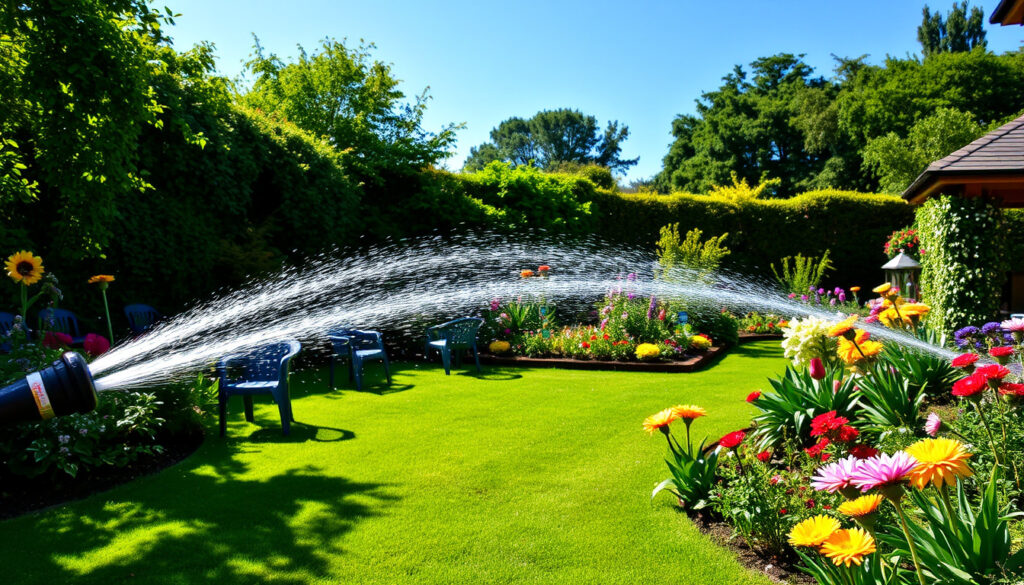
Thames Water Hosepipe Ban – Lifted After Four Months
Thames Water lifted its Temporary Use Ban on 27 November 2025, ending water restrictions for customers across several postcode areas in southern England. The ban, which lasted approximately four months, had been in force since July 2025 following one of the driest periods on record.
The decision to remove the restrictions came after above-average rainfall in October restored groundwater levels and replenished reservoir supplies. Customers in affected areas can now resume normal water use, though the utility company continues to encourage responsible consumption ahead of future demand periods.
The ban had applied to specific postcodes only, leaving other Thames Water customers largely unaffected. Here’s what you need to know about the recent restrictions and their resolution.
Is There Currently a Thames Water Hosepipe Ban?
No active hosepipe ban exists as of November 2025. Thames Water lifted its Temporary Use Ban on Thursday, 27 November 2025, at 07:00, immediately ending restrictions for customers in the affected postcode areas. The utility company confirmed the change was triggered by improved water resource levels following sustained rainfall during autumn.
Groundwater supplies and Farmoor reservoir in Oxfordshire have recovered to normal or near-full capacity after October precipitation addressed the deficits that prompted the original restrictions. Thames Water has stated that customers should continue using water wisely as the company prepares for summer 2026 demand.
No water restrictions are currently in place. Thames Water’s drought response measures have been stood down following recovery of key water sources.
| Quick Fact | Details |
|---|---|
| Current Status | Restrictions Lifted |
| Ban Lifted | 27 November 2025, 07:00 |
| Original Start Date | 22 July 2025 |
| Affected Postcodes | OX, GL, SN, RG4, RG8, RG9 |
| Primary Water Source | Farmoor Reservoir, Oxfordshire |
| Reason for Lifting | Restored groundwater levels and rainfall recovery |
- The Temporary Use Ban remained in force for approximately 128 days from 22 July to 27 November 2025.
- Farmoor reservoir levels had dropped significantly during the prolonged dry weather period.
- Thames Water achieved its lowest ever leakage reduction, down 13.2% since 2020, during the restriction period.
- The company continues to monitor water resources and has urged customers to conserve water ahead of summer 2026.
- Other Thames Water customers outside affected postcodes were never subject to the ban.
- Businesses such as garden centres and car washes remained exempt throughout the restriction period.
Which Areas Were Affected by the Thames Water Hosepipe Ban?
The hosepipe ban applied only to specific postcode areas within Thames Water’s supply region. The affected postcodes were OX (Oxfordshire), GL (Gloucestershire), SN (Swindon and Wiltshire), and parts of Berkshire including RG4, RG8, and RG9.
Customers outside these postcodes could continue normal water use throughout the restriction period. Thames Water’s announcement confirmed that other areas within its supply region were not subject to the Temporary Use Ban.
Postcodes Under Restriction
- OX – Oxfordshire, covering Oxford city and surrounding areas
- GL – Gloucestershire, including Cheltenham and Gloucester
- SN – Swindon and Wiltshire regions
- RG4, RG8, RG9 – Parts of Berkshire, including Reading area postcodes
The geographic focus reflected areas where water supply pressures were most acute. Water for these regions is sourced from the River Thames and Farmoor reservoir in Oxfordshire, both of which experienced significant depletion during the dry weather conditions.
Essential water users such as garden centres, car washes, and agricultural operations were not subject to the restrictions. Customers with medical needs or those requiring water for animal welfare could apply for exemptions through Thames Water.
What Were the Rules and Restrictions Under the Thames Water Hosepipe Ban?
During the Temporary Use Ban, customers in affected postcodes were prohibited from using hosepipes for specific purposes. The restrictions targeted non-essential outdoor water use that could be temporarily suspended without causing significant hardship.
Prohibited Activities
The following activities were banned for residential customers within the affected postcode areas:
- Watering gardens or allotments using hosepipes or sprinkler systems
- Cleaning cars with hosepipes
- Filling or maintaining paddling pools or swimming pools
- Cleaning windows or driveways with hosepipes
Thames Water encouraged water conservation across its entire supply region throughout the restriction period, even in areas not formally subject to the ban. The utility company promoted responsible water use as a precautionary measure given ongoing dry weather conditions.
Customers could use watering cans, buckets, or other manual methods to water plants. Rainwater harvesting systems and greywater recycling provided compliant options for garden maintenance during the restriction period. For more guidance on reducing water consumption at home, visit the UK Government water efficiency advice.
Can I Use a Sprinkler or Fill a Paddling Pool?
No. Sprinklers and automated irrigation systems were prohibited under the Temporary Use Ban. This included all above-ground and in-ground irrigation equipment operated with hosepipe connections.
Paddling pools and swimming pools could not be filled using hosepipes during the restriction period. Existing pools could not be topped up, and no new pools could be filled until the ban was lifted.
What Were the Penalties for Breaching the Thames Water Hosepipe Ban?
Official information regarding specific fines for breaching the Temporary Use Ban has not been published. Thames Water’s announcements did not include details of enforcement mechanisms or penalty amounts for violations.
Under normal circumstances, Temporary Use Ban violations can result in fixed penalty notices. However, enforcement typically focuses on repeat offenders or commercial operations rather than individual household breaches.
Enforcement Considerations
- Thames Water primarily relied on customer compliance rather than active monitoring
- Reported breaches were investigated on a case-by-case basis
- Commercial premises faced greater scrutiny than residential properties
- Customers with essential water needs could apply for exemptions
While specific penalty details were not publicly available, Thames Water encouraged customers to report genuine concerns about water waste through their standard customer service channels.
Why Did Thames Water Impose the Hosepipe Ban?
The Temporary Use Ban was triggered by exceptional weather conditions during spring and summer 2025. The period from March to June received only 40% of the long-term average rainfall, making it the driest spring in over a century. Combined with England’s warmest June on record, these conditions created severe pressure on water supplies.
The Environment Agency declared Prolonged Dry Weather status as conditions intensified. Water demand surged as temperatures rose, with customers using up to 30% more water on days exceeding 25°C compared to normal usage patterns. Homes with gardens consumed up to 50% more water during hot weather.
Impact on Water Resources
Farmoor reservoir, the primary source for affected areas, experienced significant depletion. The reservoir, which receives water from the River Thames, dropped to levels that triggered drought response protocols despite Thames Water’s ongoing infrastructure improvements.
The company had achieved its lowest ever leakage reduction, cutting losses by 13.2% since 2020, but these savings were insufficient to offset the increased demand and reduced supply during the drought conditions.
Despite the ban being lifted, Thames Water has urged customers to continue using water wisely ahead of summer 2026. Climate projections suggest future drought conditions may recur, making long-term conservation habits essential.
Timeline of the Thames Water Hosepipe Ban
The following timeline outlines the key events leading to the imposition and subsequent lifting of the Temporary Use Ban:
- March-June 2025 – Driest spring in over a century; only 40% of average rainfall received
- June 2025 – England’s warmest June on record; water demand begins surge
- 14 July 2025 – Thames Water announces Temporary Use Ban for affected postcodes
- 22 July 2025 – Ban comes into force at 00:01 for postcodes OX, GL, SN, RG4, RG8, RG9
- July-October 2025 – Ban remains in effect through summer and early autumn
- October 2025 – Above-average rainfall restores groundwater levels and reservoir supplies
- 27 November 2025, 07:00 – Thames Water lifts the ban; restrictions end immediately
Established Facts Versus Uncertain Information
| Confirmed Information | Uncertain or Unavailable Details |
|---|---|
| Ban start date: 22 July 2025 | Specific enforcement actions taken |
| Ban lifted: 27 November 2025 | Number of reported violations |
| Affected postcodes: OX, GL, SN, RG4, RG8, RG9 | Details of penalty structures |
| Ban triggered by drought conditions | Plans for future restrictions |
| Reservoir levels recovered | Long-term climate projections for the region |
| Leakage reduced by 13.2% since 2020 | Future infrastructure investment plans |
Background: Water Supply Challenges in the Thames Valley
The Thames Water supply region faces ongoing challenges balancing demand with available resources. The area’s population density, combined with climate variability, creates pressure on water infrastructure that periodically requires demand management measures.
Farmoor reservoir in Oxfordshire serves as a critical water storage facility for the region. Its performance during drought conditions directly impacts the feasibility of maintaining normal service levels. The reservoir’s recovery following October rainfall demonstrates the importance of seasonal precipitation patterns.
Thames Water’s infrastructure improvement programme has focused on reducing leakage while maintaining supply quality. The 13.2% reduction in leakage since 2020 represents significant progress, but the company acknowledges that conservation efforts must continue alongside infrastructure investment.
Sources and Official Statements
The primary sources for information regarding the Thames Water hosepipe ban include official company announcements, Thames Water’s water supply and drought update pages, and legal notices published during the restriction period.
Thames Water lifted its Temporary Use Ban on Thursday, 27 November 2025, at 07:00 for customers in postcode areas OX, GL, SN, RG4, RG8, and RG9, following above-average rainfall that restored groundwater levels and Farmoor reservoir supplies.
— Thames Water official announcement, November 2025
The driest spring in over a century, combined with England’s warmest June on record, led to Prolonged Dry Weather status being declared by the Environment Agency.
— Thames Water drought update, July 2025
Summary
The Thames Water Temporary Use Ban, which ran from 22 July to 27 November 2025, has been lifted following recovery of groundwater levels and Farmoor reservoir supplies. Affected postcodes included OX, GL, SN, RG4, RG8, and RG9. The ban prohibited hosepipe use for watering gardens, cleaning cars, filling pools, and cleaning windows or driveways. Specific penalty details were not publicly disclosed. Thames Water continues to encourage responsible water use ahead of future demand periods. Customers seeking current information should consult Thames Water’s official channels directly.
For those managing household budgets during periods of utility uncertainty, resources such as the Cost of Living Payment 2024/25 may provide relevant support information.
Frequently Asked Questions
Why did Thames Water impose a hosepipe ban?
Thames Water imposed the ban due to exceptional drought conditions. The spring of 2025 was the driest in over a century with only 40% of average rainfall, combined with England’s warmest June on record. These conditions depleted groundwater and reservoir levels, triggering the company’s drought response protocols.
What alternatives are there during a hosepipe ban?
Customers can use watering cans or buckets to water plants. Rainwater harvesting and greywater recycling systems provide compliant options for garden maintenance. Commercial car washes and garden centres remain operational as exemptions apply to essential water use.
How long did the Thames Water hosepipe ban last?
The ban lasted approximately 128 days, running from 22 July 2025 until 27 November 2025. It was lifted following above-average October rainfall that restored water supplies.
Can I use a sprinkler during a hosepipe ban?
No. All sprinkler systems, whether above-ground or underground, are prohibited during a Temporary Use Ban. This includes automatic irrigation systems connected to hosepipes or mains water supplies.
Are there any exemptions from the hosepipe ban?
Essential water users such as medical requirements, animal welfare needs, and commercial operations like car washes and agricultural users could apply for exemptions. Garden centres and similar businesses were not subject to restrictions.
Will Thames Water impose future hosepipe bans?
Thames Water has not announced specific plans for future restrictions. However, the company has urged customers to use water wisely ahead of summer 2026, suggesting ongoing conservation awareness remains important given climate variability.
Where can I check if my postcode was affected?
The affected postcodes were OX, GL, SN, RG4, RG8, and RG9. Customers can verify current status through Thames Water’s official website or customer service channels for the most up-to-date information.
More related posts
 Participation Lineup for 2025 Download Fe tival – Full Guide
 Nicki Nicole – Biography, Age, Songs, and Relationship Rumors
 Tesco Share Price Uk – Live Price, Forecast & How to Buy
 Annika Television Show Episodes – Complete Guide to All 3 Seasons
 Hotel du Vin Exeter – 4-Star Luxury Near City Centre
 Nigeria National Football Team Games – 2024 Matches & Results
 UK Prime Minister List – Complete Order Since 1721
 How Do You Get Scabies – Transmission Facts and Prevention